San Diego Zoo: Tickets and Info
Auf dieser Website werden offizielle Eintrittskarten für diesen Veranstaltungsort angeboten. Bitte beachten Sie jedoch, dass es sich hierbei nicht um die offizielle Website des Veranstaltungsorts handelt.
Smartphone-Eintrittskarten
Warum warten?
Sofortige Bestätigung
Flexible Stornierungsbedingungen
Good to Know Before Visiting the San Diego Zoo
Parking in the main surface lot directly in front of the entrance is entirely free for all park guests.
Bringing your own food and non-alcoholic drinks is permitted, though large hard-sided coolers, glass containers, and alcohol are strictly prohibited.
The 100-acre park features steep hills and canyon topography, making comfortable walking shoes essential for a full day of exploration.
Taking the complimentary Guided Bus Tour early in your visit provides a comprehensive overview of the grounds and helps you plan your walk.
The Skyfari Aerial Tram offers a fast, scenic shortcut between the front entrance and the back of the park, cutting down on steep uphill walks.
Giant pandas have officially returned to the San Diego Zoo, requiring guests to reserve a free timed-entry ticket or join the standby line upon arrival.
Animals are generally most active during the cooler morning hours, making the first two hours after opening the best time to view key exhibits.
Checking the online park schedule or downloading the official app ahead of time allows you to align your route with daily keeper talks and wildlife presentations.
Refillable water stations are located throughout the park, so bringing a reusable water bottle will keep you hydrated while saving money.
Standard day admission includes unlimited rides on the Guided Bus Tour, the Kangaroo Express Bus, and the Skyfari Aerial Tram.
Wichtige Informationen für Besucher
- Zeitangaben
- Adresse und Wegbeschreibung
- Ausstattung
- Barrierefreiheit
Zeitangaben
Adresse und Wegbeschreibung
Ausstattung
Barrierefreiheit
About the San Diego Zoo
Why Visit the San Diego Zoo?
Pioneering Naturalistic Habitats
The San Diego Zoo pioneered open-air, cageless exhibits designed to recreate natural ecosystems. Visitors can walk through immersive zones like the Lost Forest and Africa Rocks, where multi-species habitats allow animals to roam, climb, and swim naturally.
Unmatched Biodiversity
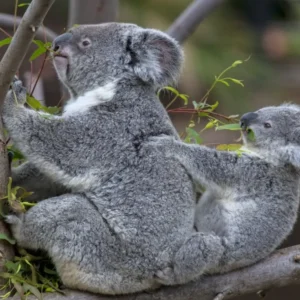
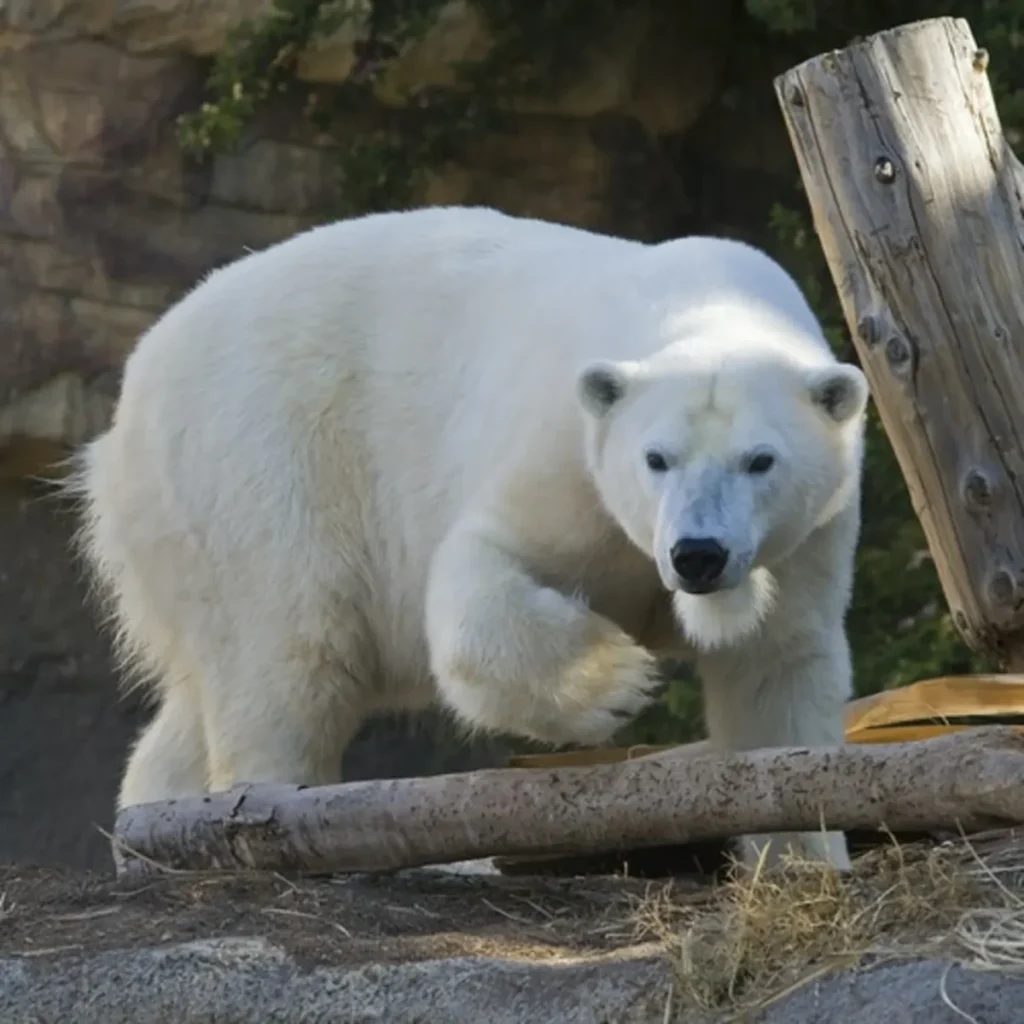
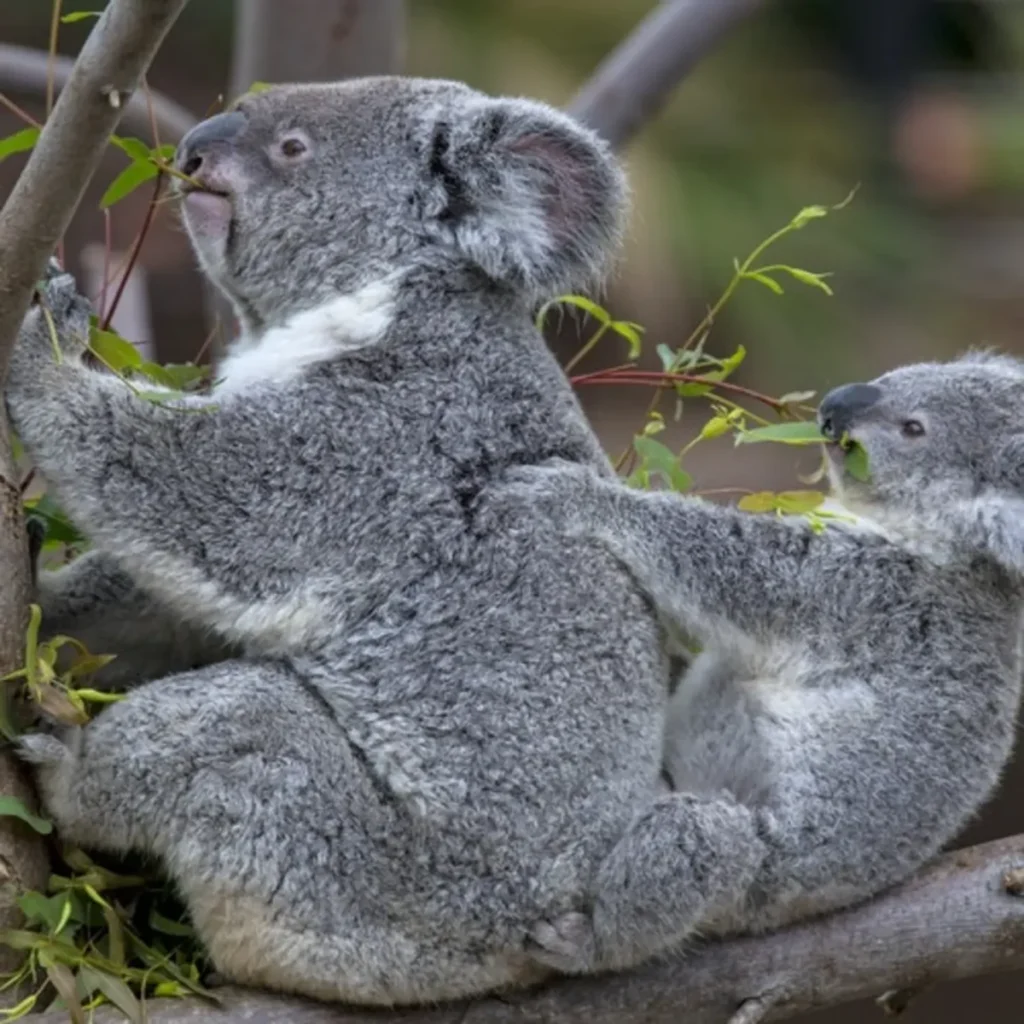
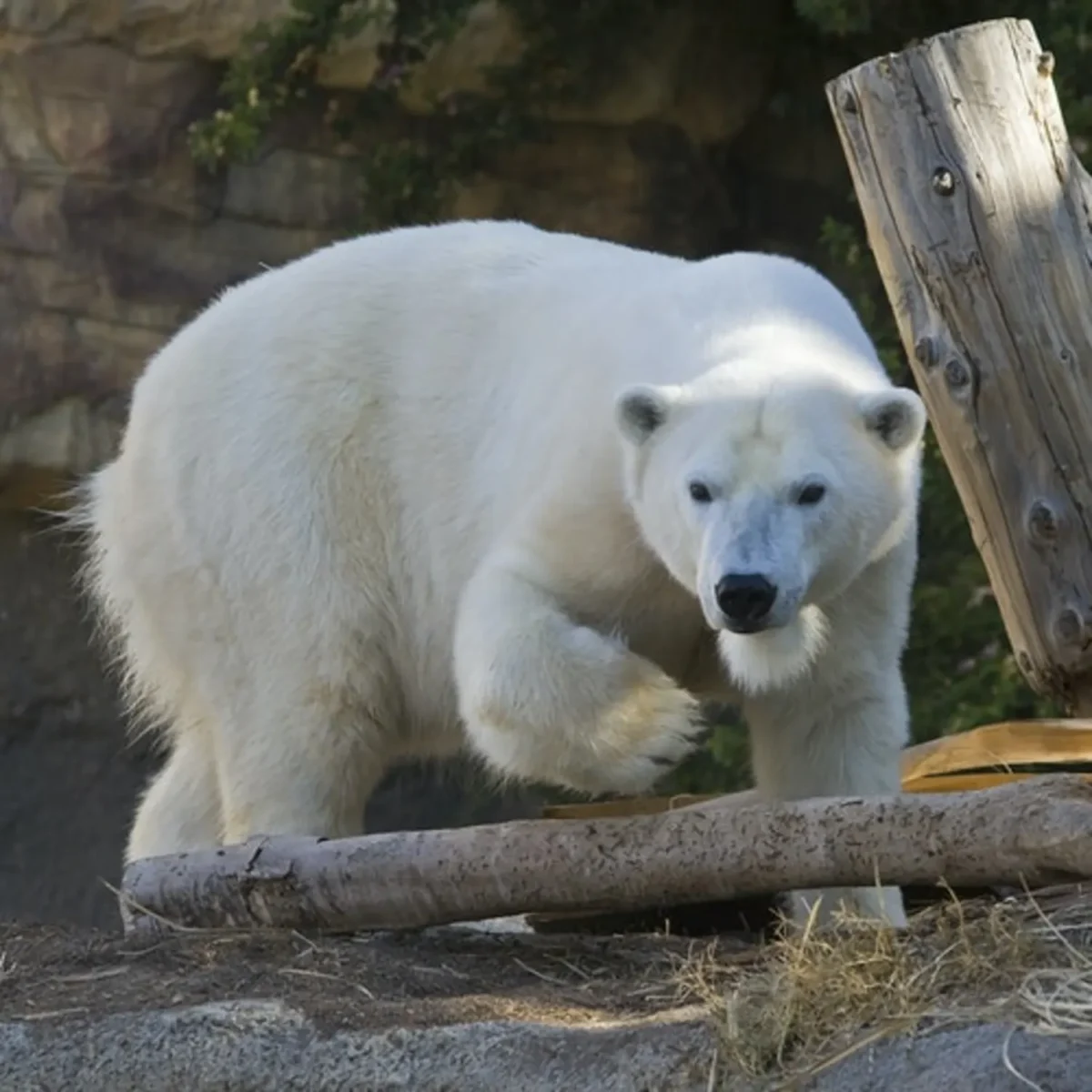
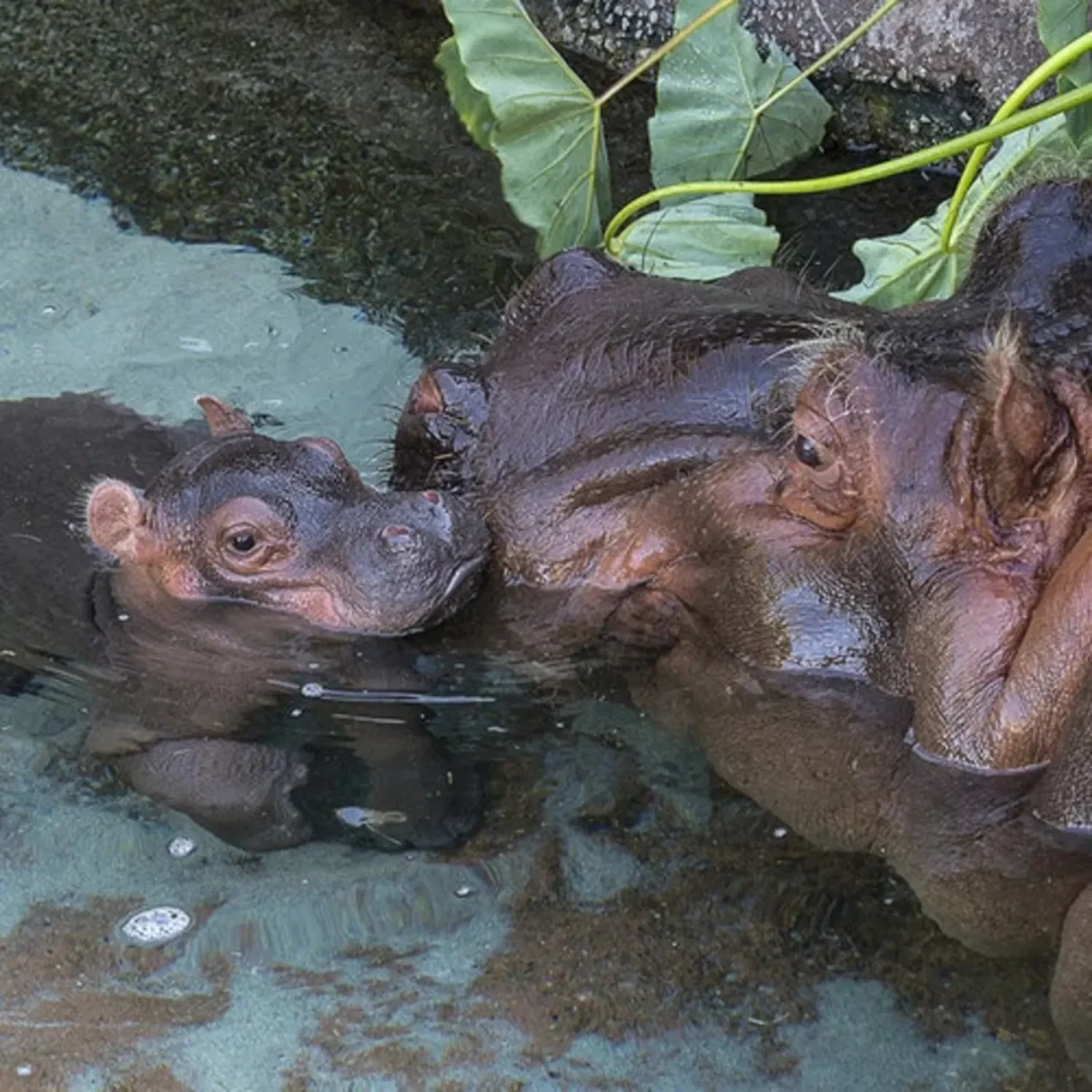
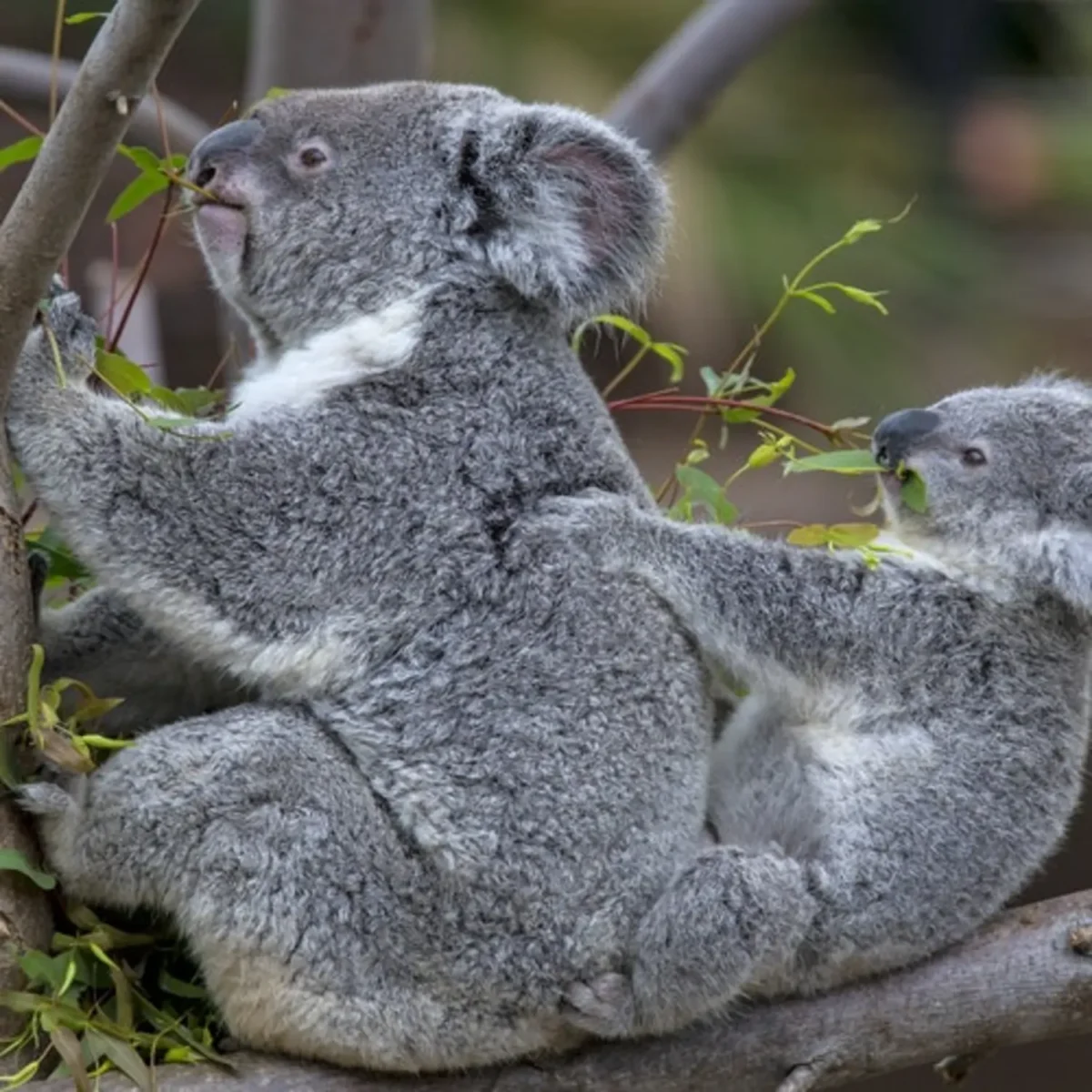
Home to over 12,000 animals representing more than 680 species and subspecies, the zoo offers rare encounters with wildlife from across the globe. Guests can see iconic species such as giant pandas, polar bears, and the largest colony of koalas outside Australia.
A Living Botanical Garden
The 100-acre park doubles as an accredited botanical garden housing more than 700,000 exotic plants. These lush gardens enrich the park's landscape while directly supplying fresh browse and food for many resident species.
Panoramas and Easy Navigation
Navigating the park's canyons and terrain is straightforward thanks to built-in transit options like the Guided Bus Tour and the Skyfari Aerial Tram. These features offer scenic aerial views of Balboa Park while providing convenient access across distant areas of the grounds.
Direct Support for Wildlife Conservation
Every ticket purchase supports the field work and research conducted by the San Diego Zoo Wildlife Alliance. Visitors directly contribute to global species restoration, habitat protection, and endangered animal breeding programs.
San Diego Zoo - Additional Info
- Gastronomie
- Souvenirgeschäft
Gastronomie

Souvenirgeschäft
Interesting Facts about the San Diego Zoo
The San Diego Zoo originated in 1916 after exotic animals were left behind from the 1915 Panama-California Exposition.
It was one of the first zoos in the world to introduce open-air, cageless exhibits designed to replicate natural environments.
The facility is an official accredited botanical garden housing more than 700,000 individual plants across 3,100 species.
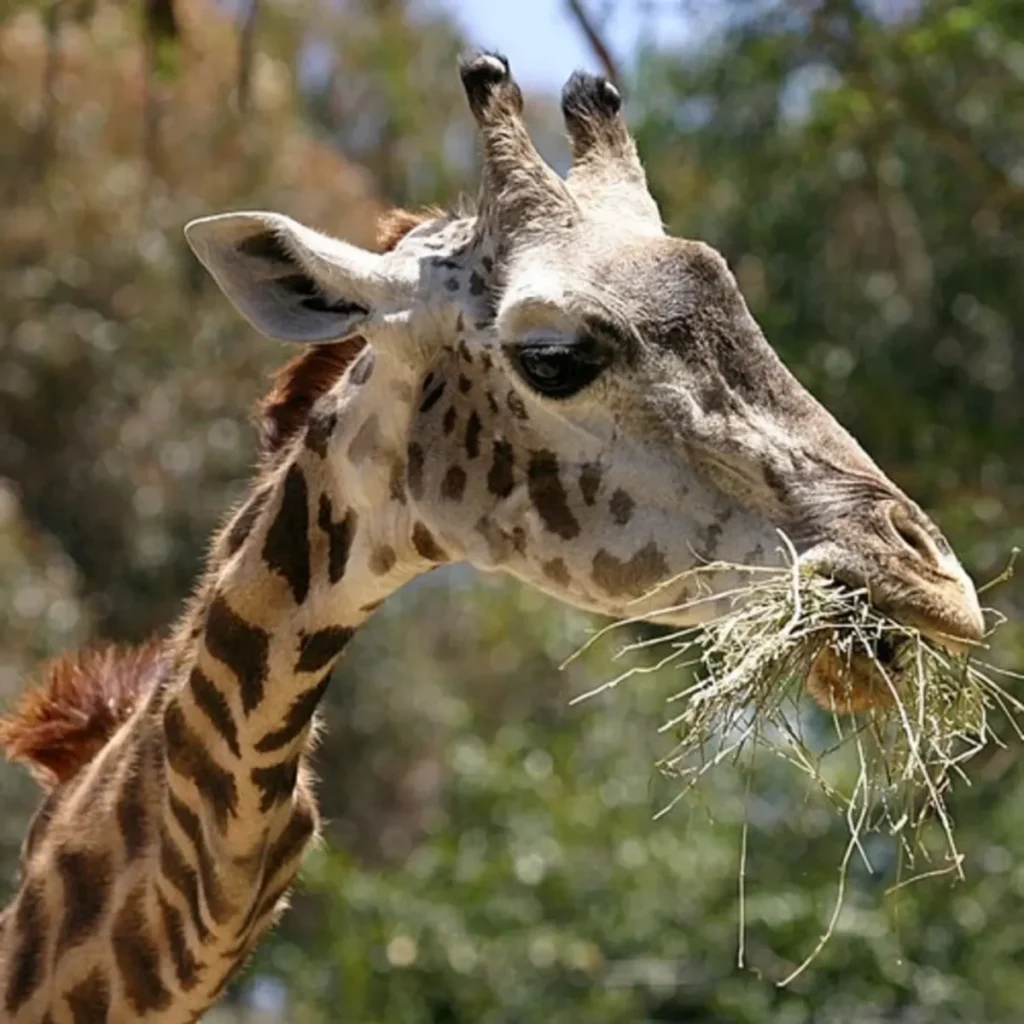
The zoo grows dozens of eucalyptus species on site to supply fresh browse for its resident koala colony.
It holds the largest breeding population of koalas located anywhere outside of Australia.
The park's Frozen Zoo cryogenic repository stores living cell samples and genetic material from over 1,000 extinct or critically endangered species.
San Diego Zoo researchers helped rescue the California condor from near-extinction through a groundbreaking captive breeding program.
In 1987, the zoo became the first institution in North America to successfully hatch a California condor egg in human care.
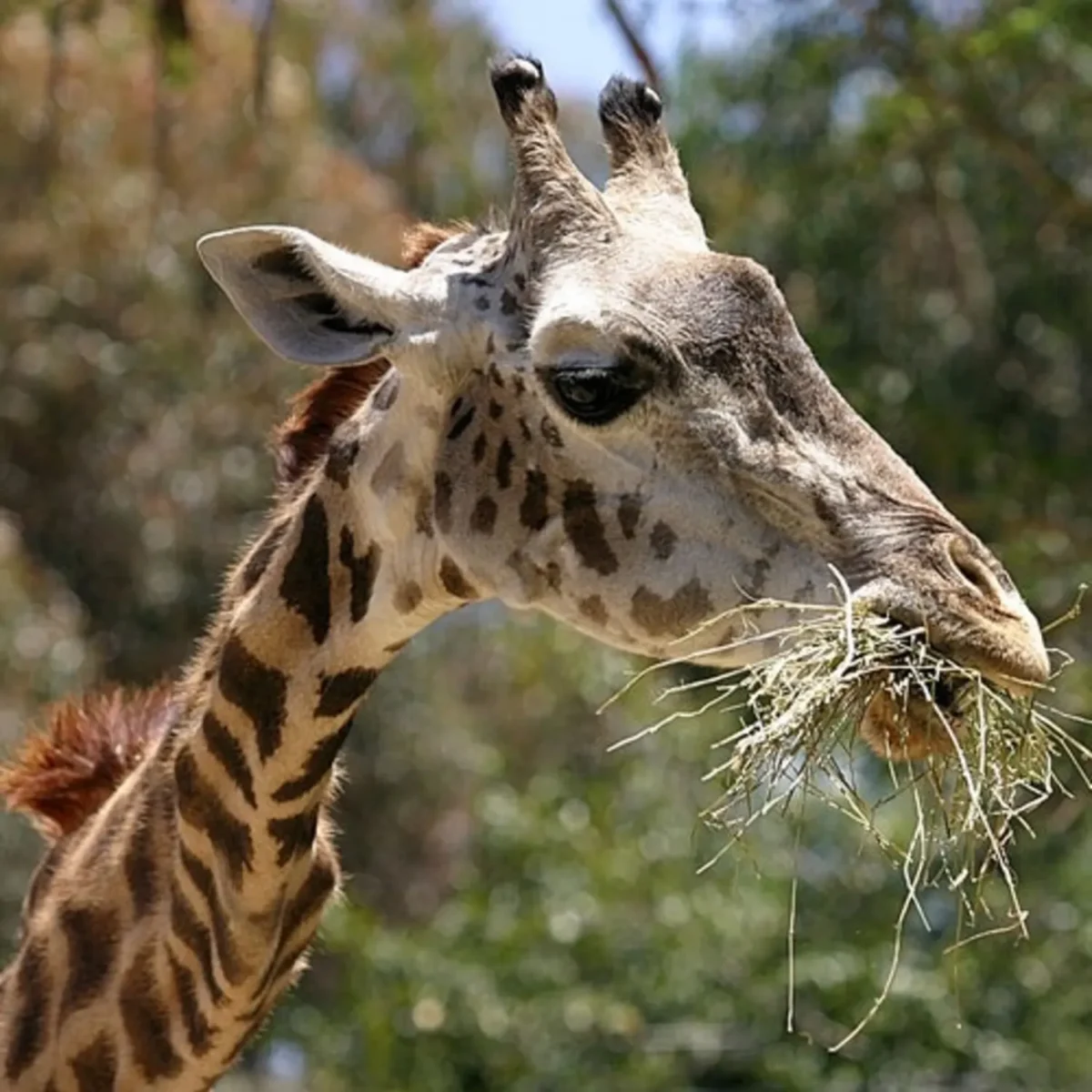
The park features a dedicated browse department that harvests ton-scale quantities of fresh leaves daily to feed herbivorous animals.
The Skyfari Aerial Tram, installed in 1969, transports thousands of guests across the park's deep canyons every single day.
The zoo cares for more than 12,000 rare and endangered animals representing over 680 species and subspecies.
It was the first zoo in the United States to successfully breed giant pandas.
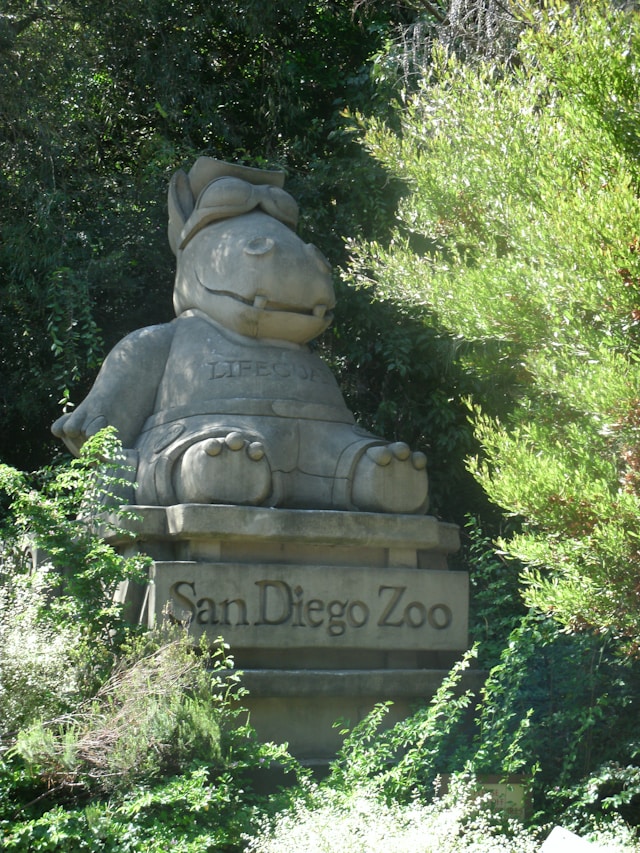
The main entrance archway features a historical landmark statue honoring founder Dr. Harry Wegeforth.