We are processing your request.
Please, don't close or refresh the page.
Home San Diego Zoo

San Diego Zoo: Tickets and Info

This website offers official tickets for this venue. Please note, however, that it is not the official website of the venue.
Smartphone tickets

Smartphone tickets

Everything you need, right in your pocket!
Why wait?

Why wait?

Skip the line and get priority access
Instant confirmation

Instant confirmation

Receive your tickets seconds after your purchase
Flexible cancellation

Flexible cancellation

Free cancellation up to 24 hours before the event available on selected experiences

Good to Know Before Visiting the San Diego Zoo

Parking in the main surface lot directly in front of the entrance is entirely free for all park guests.

Bringing your own food and non-alcoholic drinks is permitted, though large hard-sided coolers, glass containers, and alcohol are strictly prohibited.

The 100-acre park features steep hills and canyon topography, making comfortable walking shoes essential for a full day of exploration.

Taking the complimentary Guided Bus Tour early in your visit provides a comprehensive overview of the grounds and helps you plan your walk.

The Skyfari Aerial Tram offers a fast, scenic shortcut between the front entrance and the back of the park, cutting down on steep uphill walks.

Giant pandas have officially returned to the San Diego Zoo, requiring guests to reserve a free timed-entry ticket or join the standby line upon arrival.

Animals are generally most active during the cooler morning hours, making the first two hours after opening the best time to view key exhibits.

Checking the online park schedule or downloading the official app ahead of time allows you to align your route with daily keeper talks and wildlife presentations.

Refillable water stations are located throughout the park, so bringing a reusable water bottle will keep you hydrated while saving money.

Standard day admission includes unlimited rides on the Guided Bus Tour, the Kangaroo Express Bus, and the Skyfari Aerial Tram.

Essential Visitor Info

Timings

  • The San Diego Zoo is open 365 days a year, including major holidays.
  • Regular daily hours begin at 9:00 AM.
  • Closing times vary seasonally, typically ranging from 5:00 PM during winter months to 6:00 PM in the spring and autumn.
  • During peak summer periods and special seasonal events such as Nighttime Zoo or holiday celebrations, operating hours are extended until 8:00 PM or 9:00 PM.
  • Best Time of Day to Arrive
  • Arriving right at the 9:00 AM opening time offers significant advantages. Temperatures are cooler, crowd density is lowest, and animal activity levels are typically highest as many species feed and explore early in the day. Popular attractions - including the Panda Trek, Guided Bus Tour, and Skyfari Aerial Tram - experience shorter wait times during the first two hours of operation.
  • Late afternoon, roughly two hours before closing, is another favorable window as mid-day daytime crowds begin to clear.
  • Estimated Time Needed
  • A thorough visit to the 100-acre park requires approximately 4 to 6 hours. Visitors planning to cover every major zone, ride the Guided Bus Tour, and take in scheduled keeper talks should budget a full day.

About the San Diego Zoo

About the San Diego Zoo

Founded in 1916 following the Panama-California Exposition, the San Diego Zoo pioneered the concept of cageless, open-air exhibits designed to recreate natural animal habitats. Spanning 100 acres within historical Balboa Park, the zoo has grown from a small collection of exotic animals into a world-famous conservation hub. Today, it hosts over 12,000 animals across 680 species and subspecies, seamlessly integrated into a sprawling, accredited botanical garden featuring more than 700,000 plants.

Beyond serving as a major regional landmark, the facility operates as the flagship physical location for the San Diego Zoo Wildlife Alliance, a international nonprofit conservation organization. Visitors can explore distinct bioclimatic zones - ranging from the dense canopy of the Lost Forest to the expansive terrain of Africa Rocks - while learning about global species recovery programs. Key highlights include the renowned koala habitat, the giant panda experience, and integrated transit options like the Skyfari Aerial Tram and Guided Bus Tour.

  • Area: 100 acres (40 hectares)
  • Number of Animals: Over 12,000
  • Number of Species: Over 680 species and subspecies
  • Botanical Collection: Over 700,000 individual plants representing 3,100 species
  • Annual Attendance: Approximately 4 million visitors
  • Year Established: 1916

Why Visit the San Diego Zoo?

Pioneering Naturalistic Habitats

The San Diego Zoo pioneered open-air, cageless exhibits designed to recreate natural ecosystems. Visitors can walk through immersive zones like the Lost Forest and Africa Rocks, where multi-species habitats allow animals to roam, climb, and swim naturally.

Unmatched Biodiversity

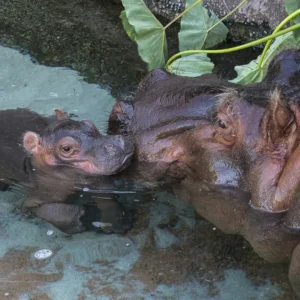
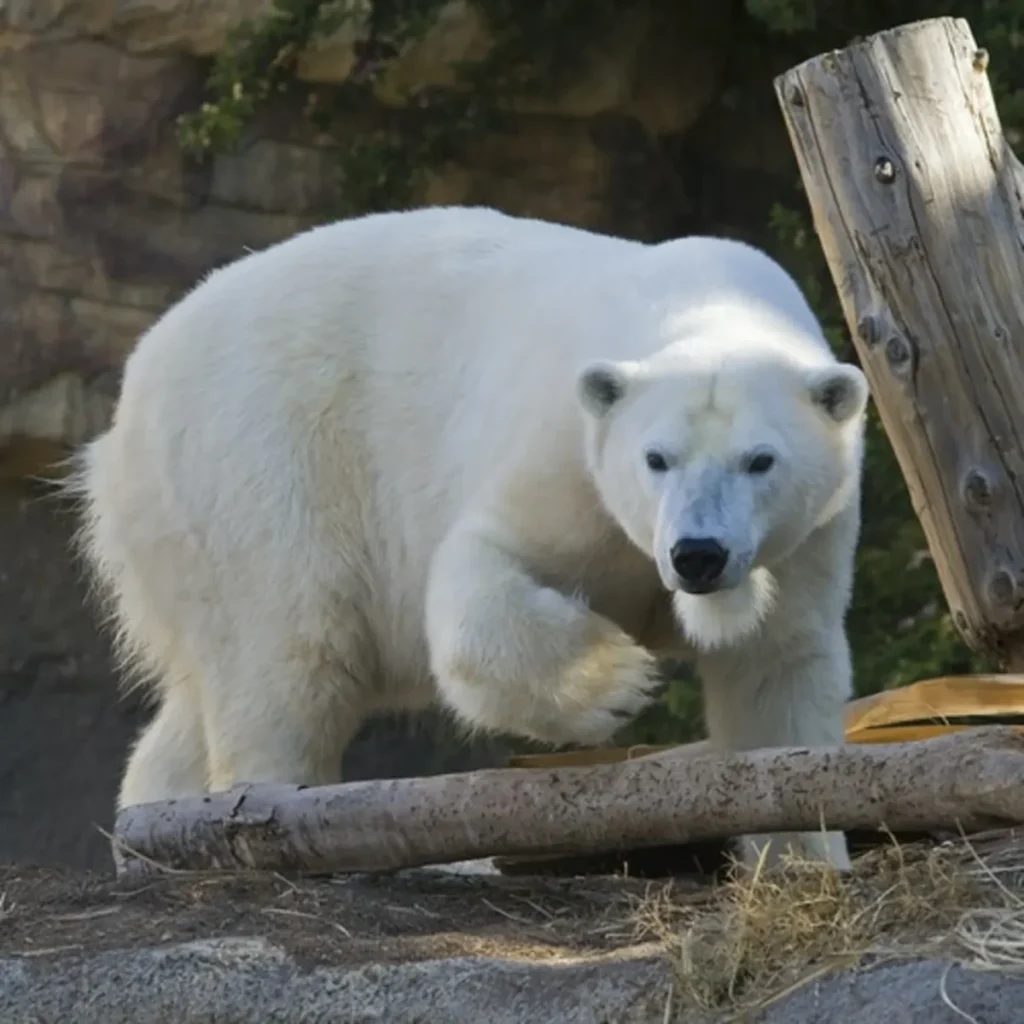
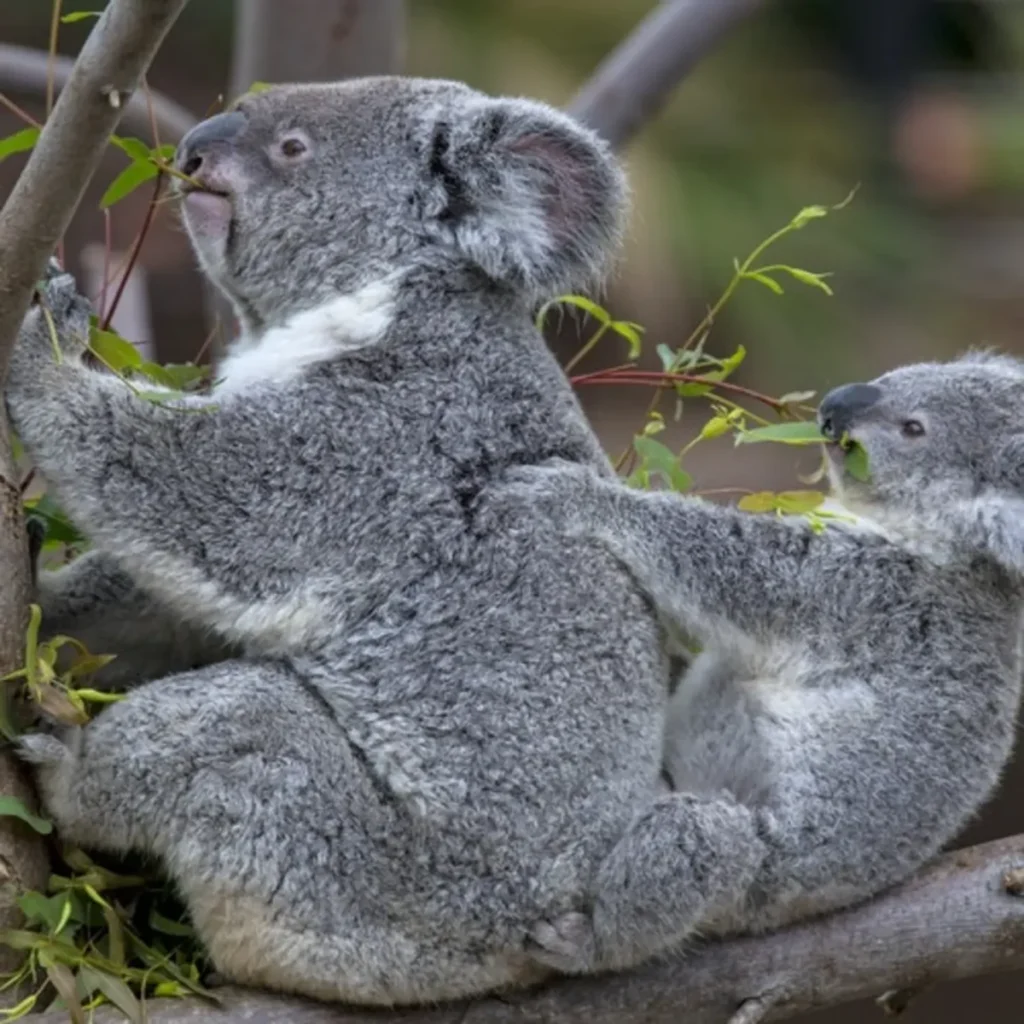
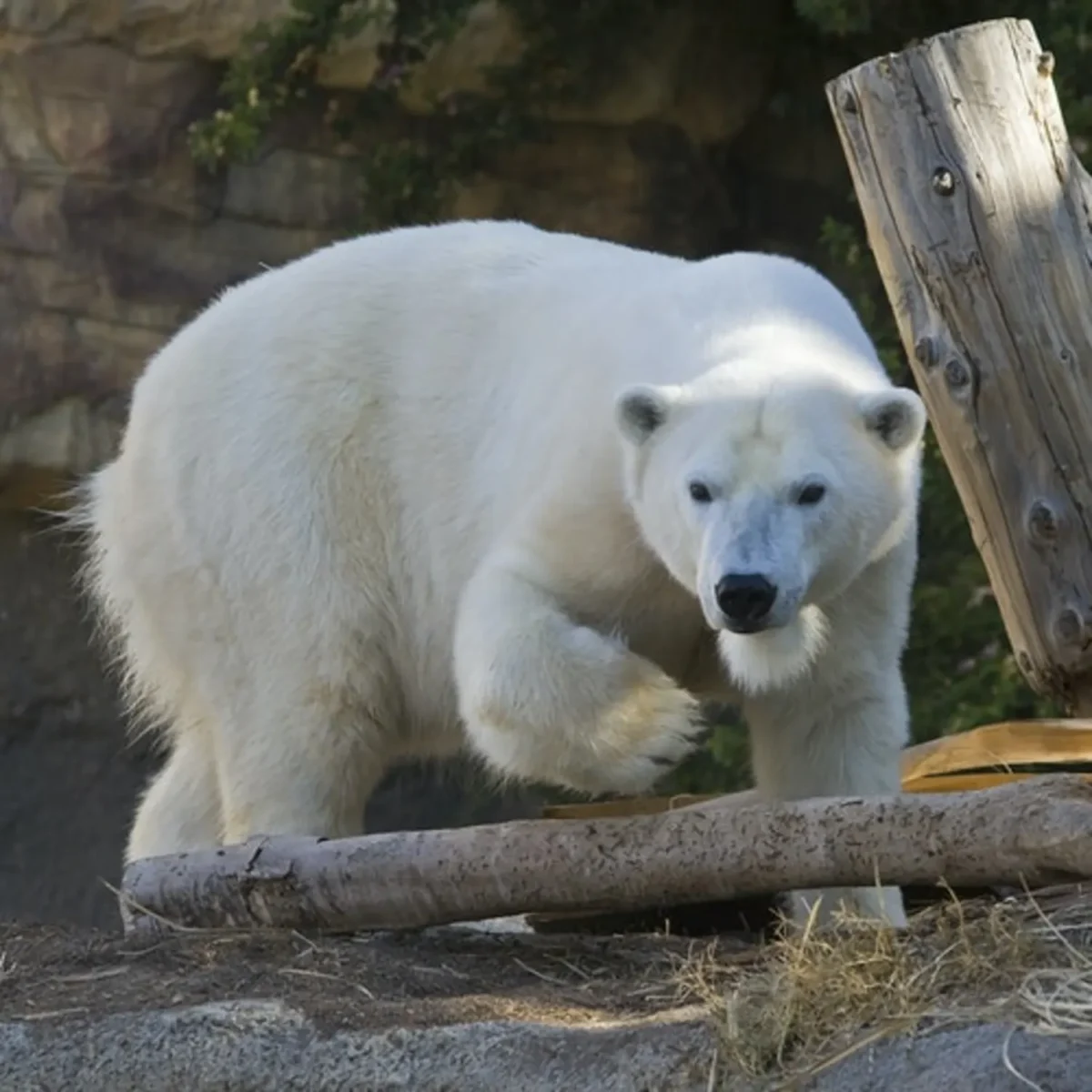
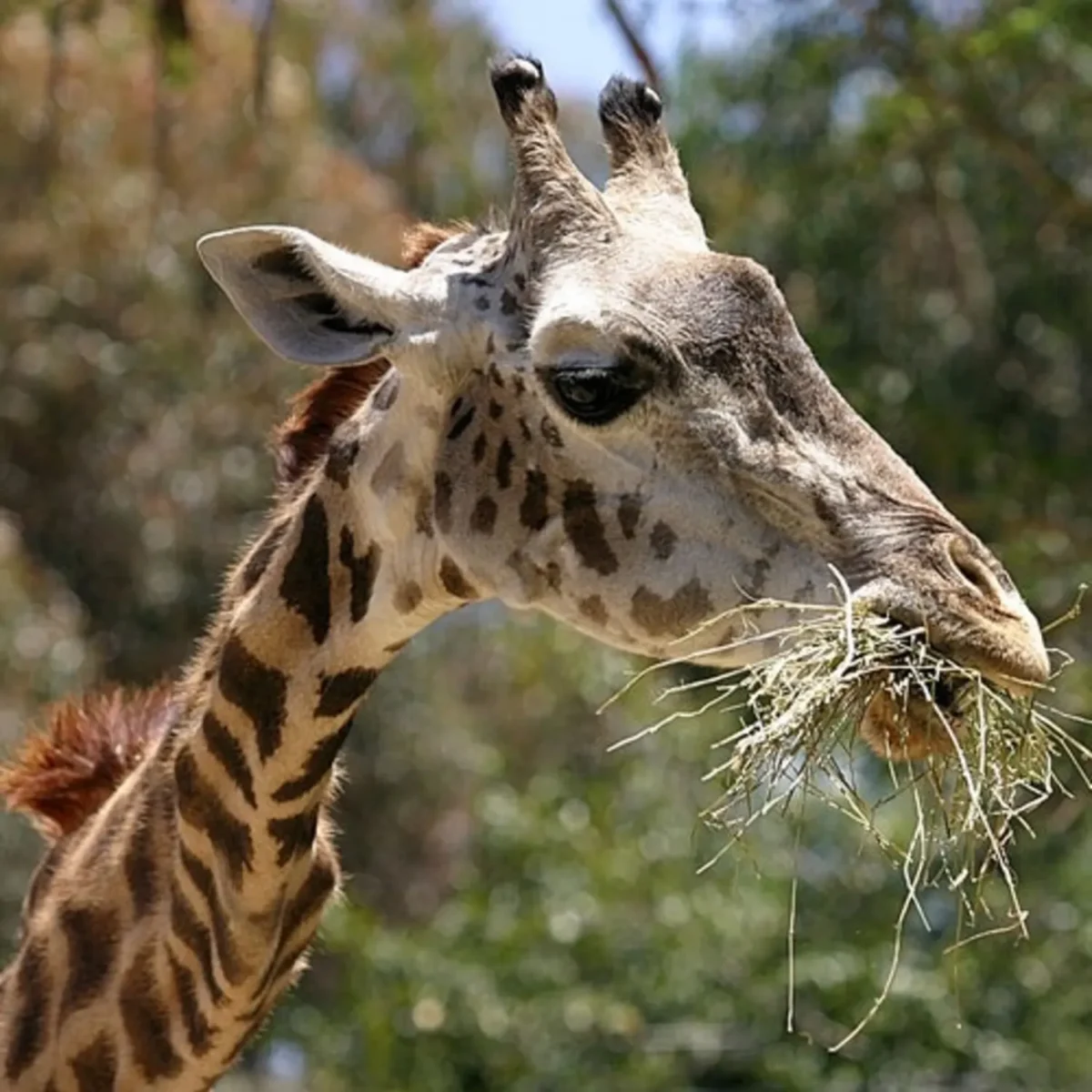
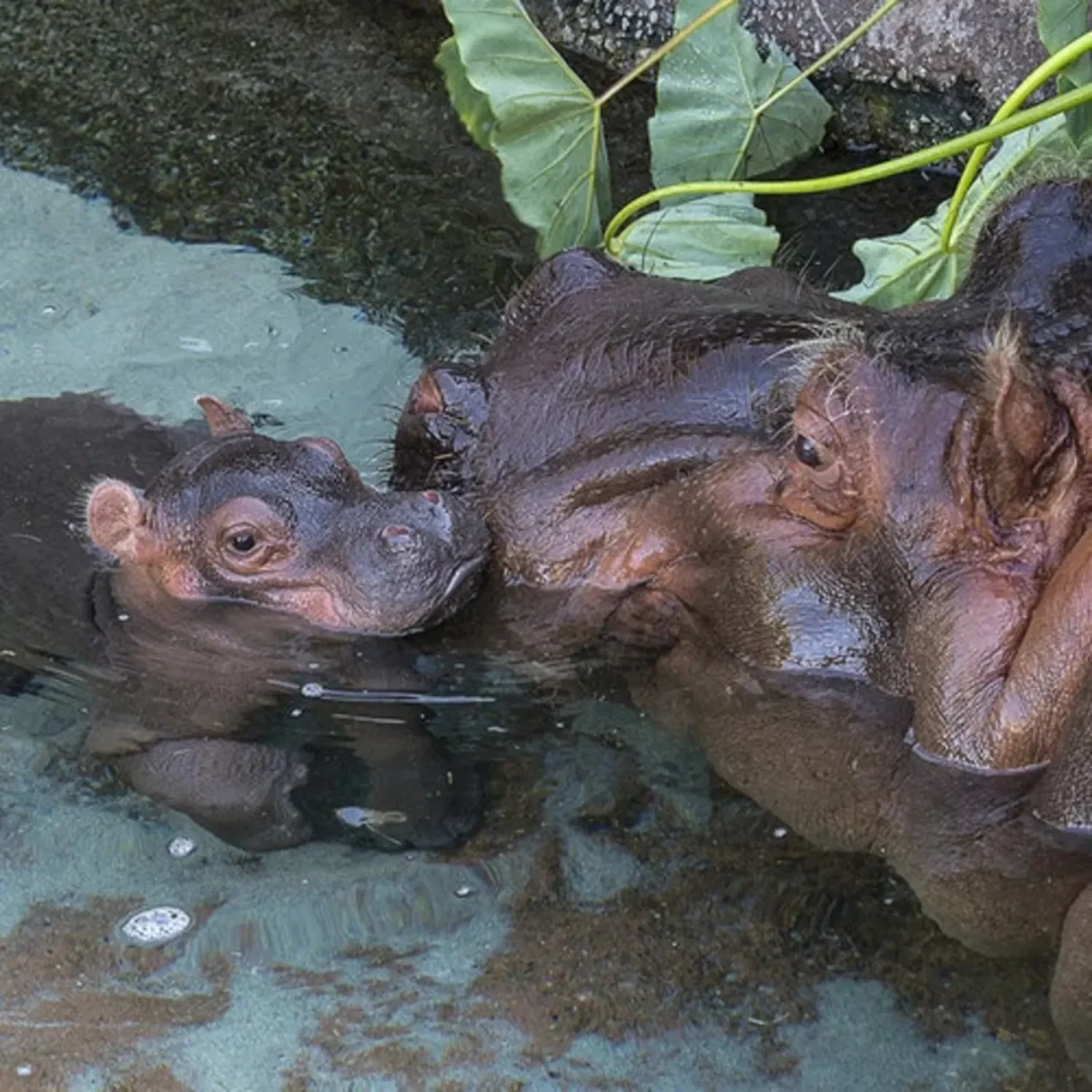
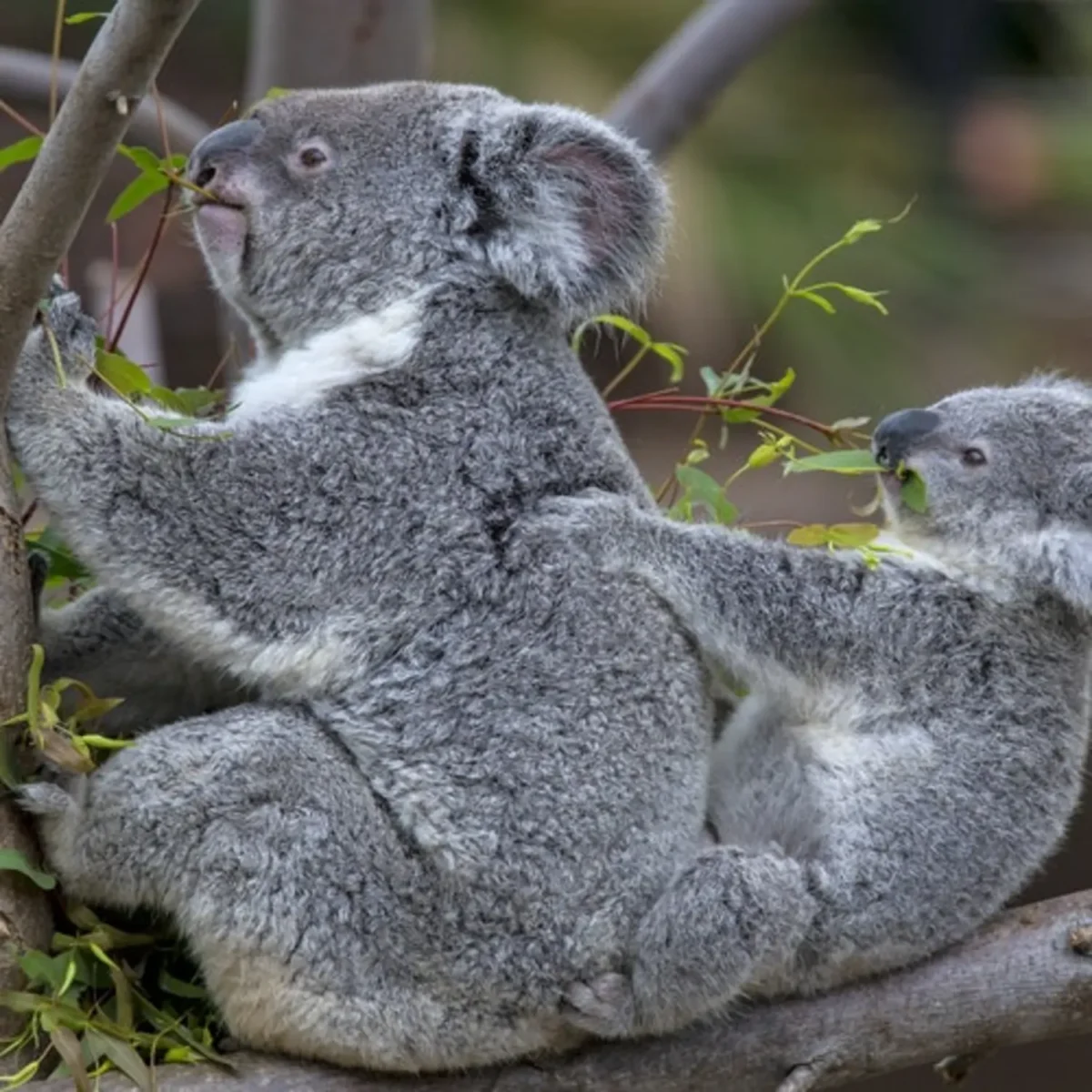
Home to over 12,000 animals representing more than 680 species and subspecies, the zoo offers rare encounters with wildlife from across the globe. Guests can see iconic species such as giant pandas, polar bears, and the largest colony of koalas outside Australia.

A Living Botanical Garden

The 100-acre park doubles as an accredited botanical garden housing more than 700,000 exotic plants. These lush gardens enrich the park's landscape while directly supplying fresh browse and food for many resident species.

Panoramas and Easy Navigation

Navigating the park's canyons and terrain is straightforward thanks to built-in transit options like the Guided Bus Tour and the Skyfari Aerial Tram. These features offer scenic aerial views of Balboa Park while providing convenient access across distant areas of the grounds.

Direct Support for Wildlife Conservation

Every ticket purchase supports the field work and research conducted by the San Diego Zoo Wildlife Alliance. Visitors directly contribute to global species restoration, habitat protection, and endangered animal breeding programs.

San Diego Zoo - Additional Info

Dining

  • Dining options across the zoo range from quick-service kiosks to sit-down restaurants, serving a variety of diets including vegetarian, vegan, and gluten-free choices.
  • Albert’s Restaurant, the park's full-service dining venue located in the Lost Forest, offers open-air deck seating surrounded by a tropical waterfall alongside a menu of chef-prepared entrees, local craft beers, and regional wines. Advanced reservations are recommended for Albert's, particularly during weekends and peak travel seasons.
  • Casual counter-service eateries, including Sabertooth Grill and Boardwalk Cafe, provide fast options like burgers, fresh salads, wraps, and kids' meals near high-traffic exhibit areas. Outdoor seating with shaded umbrellas is distributed throughout the grounds.
  • Guests are also permitted to bring their own food and non-alcoholic beverages into the park, making picnic tables near the entry plaza and central lawns popular choices for self-catered meals.

Interesting Facts about the San Diego Zoo

The San Diego Zoo originated in 1916 after exotic animals were left behind from the 1915 Panama-California Exposition.

It was one of the first zoos in the world to introduce open-air, cageless exhibits designed to replicate natural environments.

The facility is an official accredited botanical garden housing more than 700,000 individual plants across 3,100 species.

The zoo grows dozens of eucalyptus species on site to supply fresh browse for its resident koala colony.

It holds the largest breeding population of koalas located anywhere outside of Australia.

The park's Frozen Zoo cryogenic repository stores living cell samples and genetic material from over 1,000 extinct or critically endangered species.

San Diego Zoo researchers helped rescue the California condor from near-extinction through a groundbreaking captive breeding program.

In 1987, the zoo became the first institution in North America to successfully hatch a California condor egg in human care.

The park features a dedicated browse department that harvests ton-scale quantities of fresh leaves daily to feed herbivorous animals.

The Skyfari Aerial Tram, installed in 1969, transports thousands of guests across the park's deep canyons every single day.

The zoo cares for more than 12,000 rare and endangered animals representing over 680 species and subspecies.

It was the first zoo in the United States to successfully breed giant pandas.

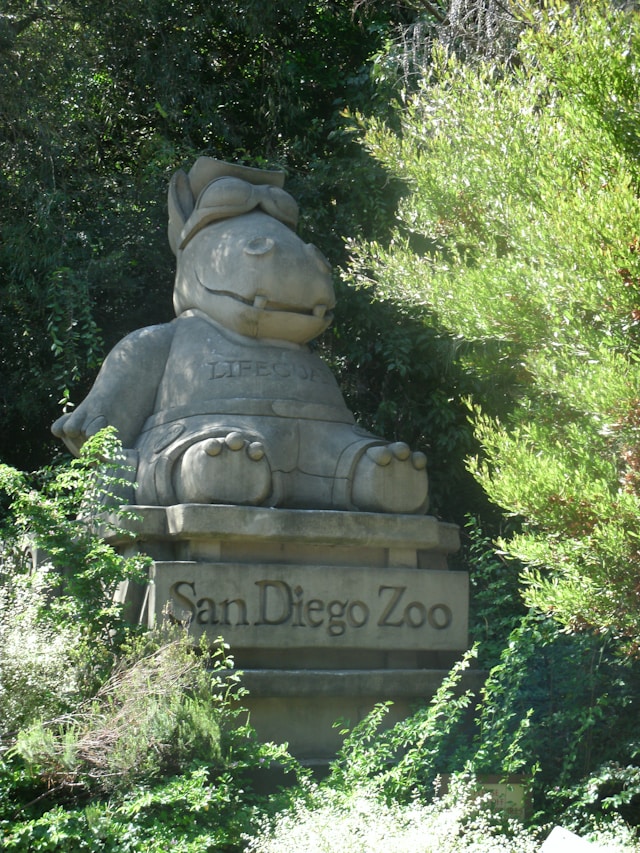
The main entrance archway features a historical landmark statue honoring founder Dr. Harry Wegeforth.

FAQs about the San Diego Zoo

When was the San Diego Zoo established and how did it begin?

The San Diego Zoo was founded in 1916 after exotic animals were left behind from the 1915 Panama-California Exposition. Founder Dr. Harry Wegeforth subsequently established the park to care for the remaining wildlife.

How large is the San Diego Zoo and how many animals live there?

The zoo covers 100 acres in Balboa Park and is home to over 12,000 animals. These animals represent more than 680 distinct species and subspecies from around the globe.

What makes the zoo's exhibit design historically significant?

The San Diego Zoo pioneered open-air, cageless exhibits designed to recreate natural ecosystems. These naturalistic habitats allow multi-species groups to climb, swim, and roam as they would in the wild.

Is the San Diego Zoo also a botanical garden?

Yes, the 100-acre park doubles as an accredited botanical garden containing over 700,000 individual plants across 3,100 species. The gardens enrich the landscape while providing fresh browse for resident animals like koalas.

What organization operates the San Diego Zoo?

The park serves as the flagship physical location for the San Diego Zoo Wildlife Alliance. Every ticket purchase directly funds the alliance's global species recovery, habitat protection, and field research initiatives.

What are some of the most notable animals hosted at the park?

Key highlights include giant pandas, polar bears, California condors, and the largest breeding colony of koalas located outside Australia.

What is the Frozen Zoo repository?

The Frozen Zoo is a cryogenic storage facility located at the park that preserves living cell samples and genetic material. It holds samples from over 1,000 extinct or critically endangered species for conservation research.

Is vehicle parking free for zoo visitors?

Yes, parking is entirely free for all park guests in the main surface lot located right in front of the entrance. If the main lot fills during peak periods, overflow parking operates at Inspiration Point with complimentary shuttle service.

What are the general operating hours for the zoo?

The San Diego Zoo is open 365 days a year starting at 9:00 AM daily. Closing times range seasonally between 5:00 PM in winter and 9:00 PM during peak summer and holiday events.

Are park transit rides included with standard day admission?

Standard day admission includes unlimited access to the Guided Bus Tour, the Kangaroo Express Bus, and the Skyfari Aerial Tram. These transit options help visitors navigate the park's steep canyon terrain easily.

Can guests bring outside food and beverages into the park?

Visitors are permitted to bring their own personal food and non-alcoholic drinks into the grounds. However, alcohol, glass containers, and large hard-sided coolers are strictly prohibited.

How can visitors view the giant pandas?

Guests can view the giant pandas by securing a free timed-entry ticket upon arrival or by joining the designated standby line at Panda Trek.

What public transportation routes serve the zoo?

MTS Bus Route 7 and Rapid 215 provide direct service between downtown San Diego and the zoo's entrance on Park Boulevard. Passengers using the Trolley or regional trains can transfer to these buses at City College Station or Santa Fe Depot.

What services are available for guests with accessibility or sensory needs?

The zoo provides wheelchair and electric scooter rentals, specialized gentle-slope route maps, and accessible transit options. Additionally, certified KultureCity sensory bags with noise-canceling headphones are available at Guest Relations.

This website sells official tickets for this venue. Please note, however, that it is not the official website of the venue.
The images and videos on this website may contain visual elements that have been created or enhanced using AI technology. They are provided for illustrative purposes only.