San Diego Zoo Safari Park: Tickets and Info
This website offers official tickets for this venue. Please note, however, that it is not the official website of the venue.
Smartphone tickets
Why wait?
Instant confirmation


San Diego Zoo Safari Park: Discover the Adventure of a Lifetime
Highlights
Explore one of the world’s largest safari parks.
Observe a wide variety of exotic animals in naturalistic settings.
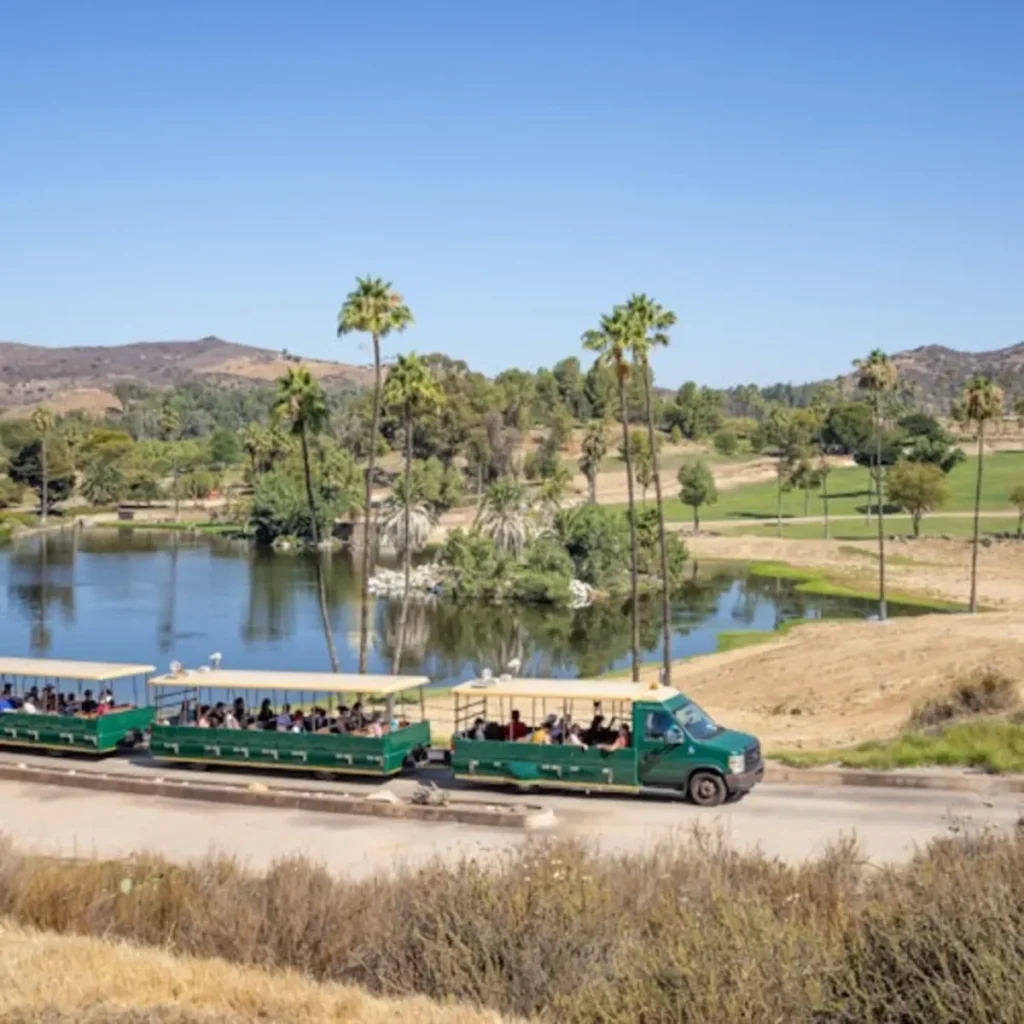
Enjoy the Africa Tram ride through the savannah.
Witness engaging live animal presentations.
Learn about conservation efforts and animal care at the park’s veterinary hospital.
Good to Know Before Visiting the San Diego Zoo Safari Park
Purchasing your entry tickets online prior to arrival helps you bypass long check-in lines and secures entry for peak visiting dates.
The park covers 1,800 acres of terrain, so comfortable closed-toe walking shoes are essential for navigating the extensive paved and dirt trails.
Because the park is located in Escondido's inland valley, temperatures are consistently warmer than coastal San Diego, making sun hats, sunblock, and water refill containers necessary gear.
The Africa Tram ride is included with standard admission, but queues build rapidly around midday, so scheduling your ride early in the morning or late in the afternoon is recommended.
Small personal snacks and non-alcoholic drinks are permitted inside the grounds, provided they are not packaged in glass containers or large hardshell coolers.
Single-use plastic straws and plastic drink lids are banned throughout the facility to prevent accidental ingestion by roaming wildlife.
The facility operates entirely on a cashless payment system for all food, retail, and tour purchases, accepting only major credit cards, debit cards, and digital mobile payments.
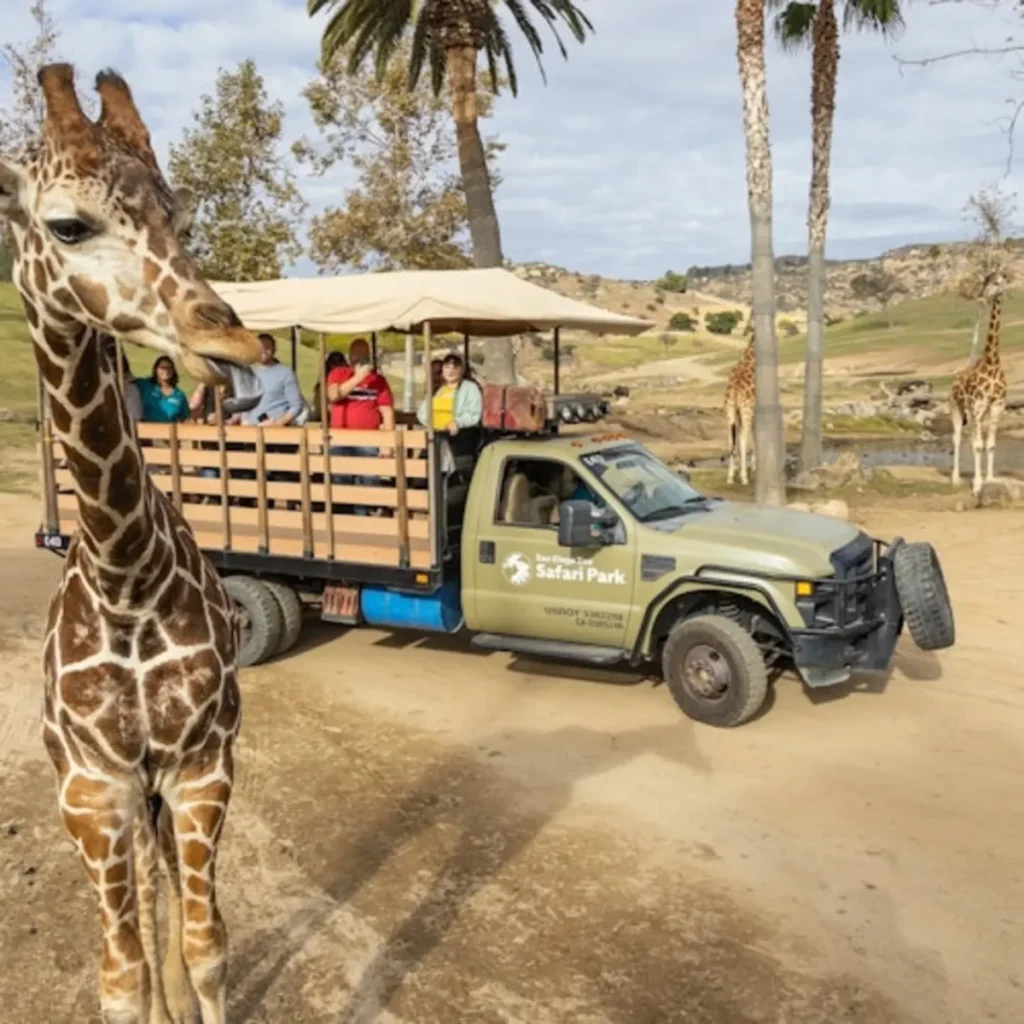
Upgraded safari packages, such as open-truck wildlife tours or zip-line rides, require separate bookings and often sell out weeks in advance of your visit.
Drone photography, selfie sticks, and full-sized camera tripods are strictly prohibited on grounds to ensure animal welfare and guest safety.
Essential Visitor Info
- Timings
- Address & Directions
- Facilities
- Accessibility
Timings
Address & Directions
Facilities
Accessibility
About the San Diego Zoo Safari Park
Why Visit the San Diego Zoo Safari Park?
Expansive, Open-Field Savanna Habitats
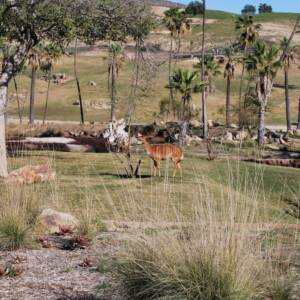
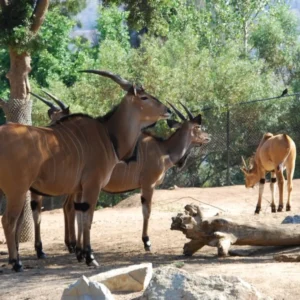
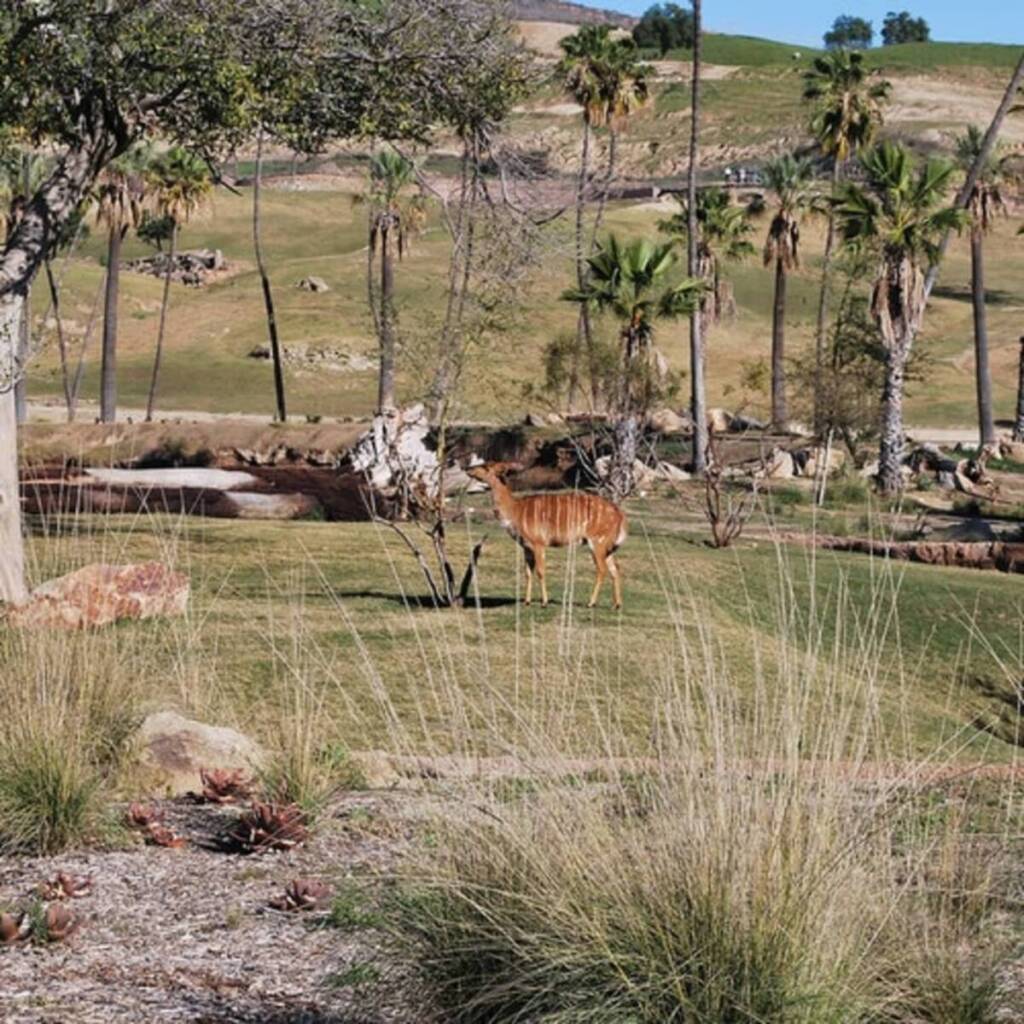
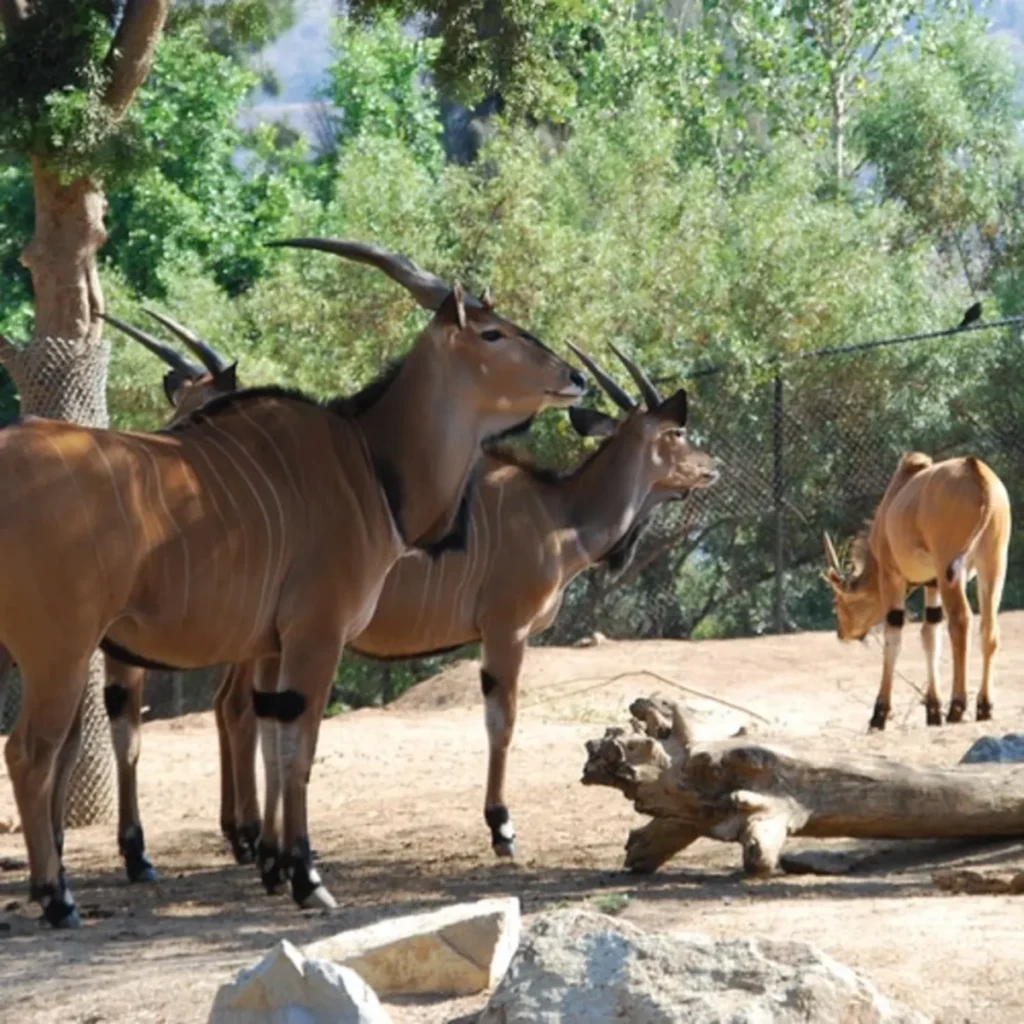
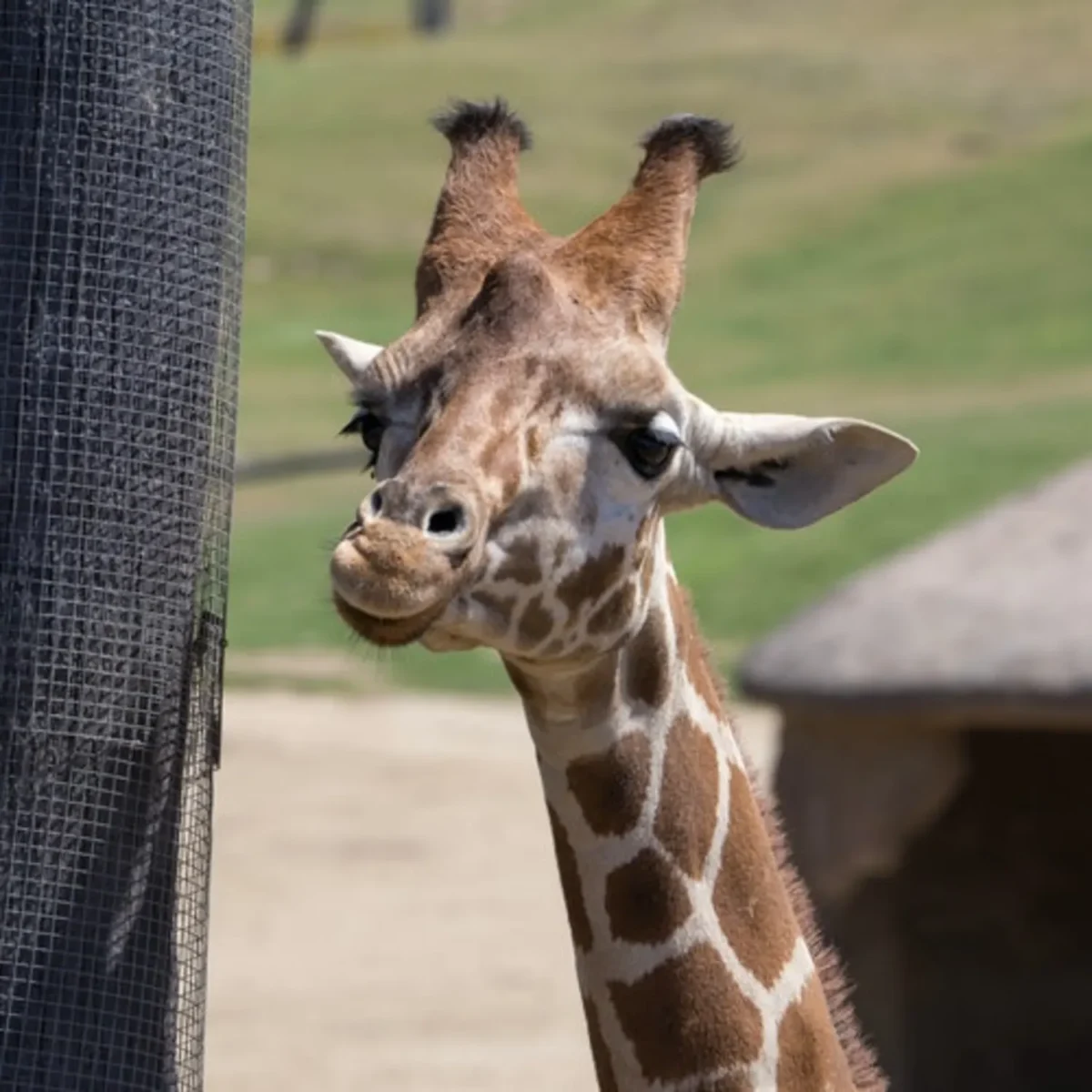
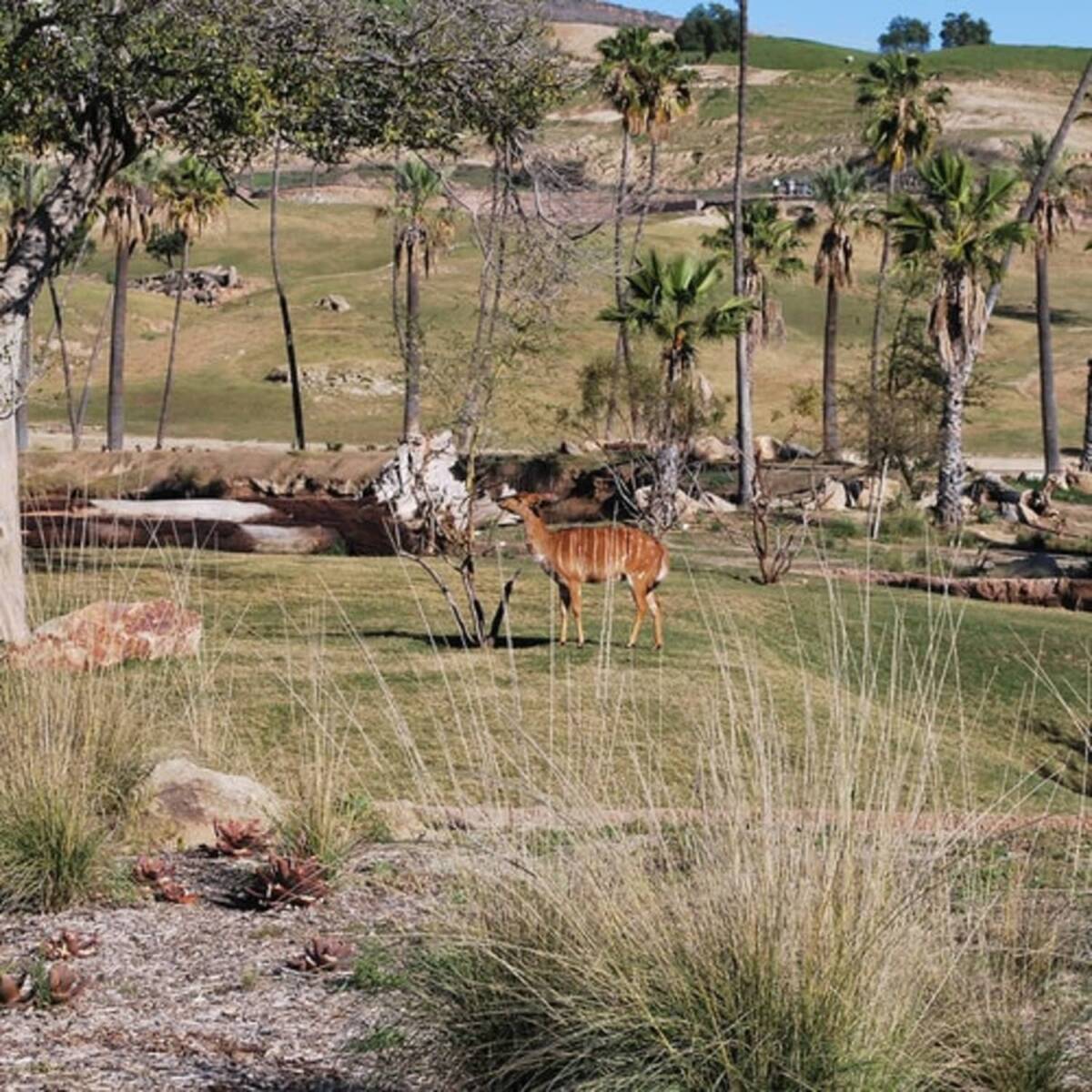
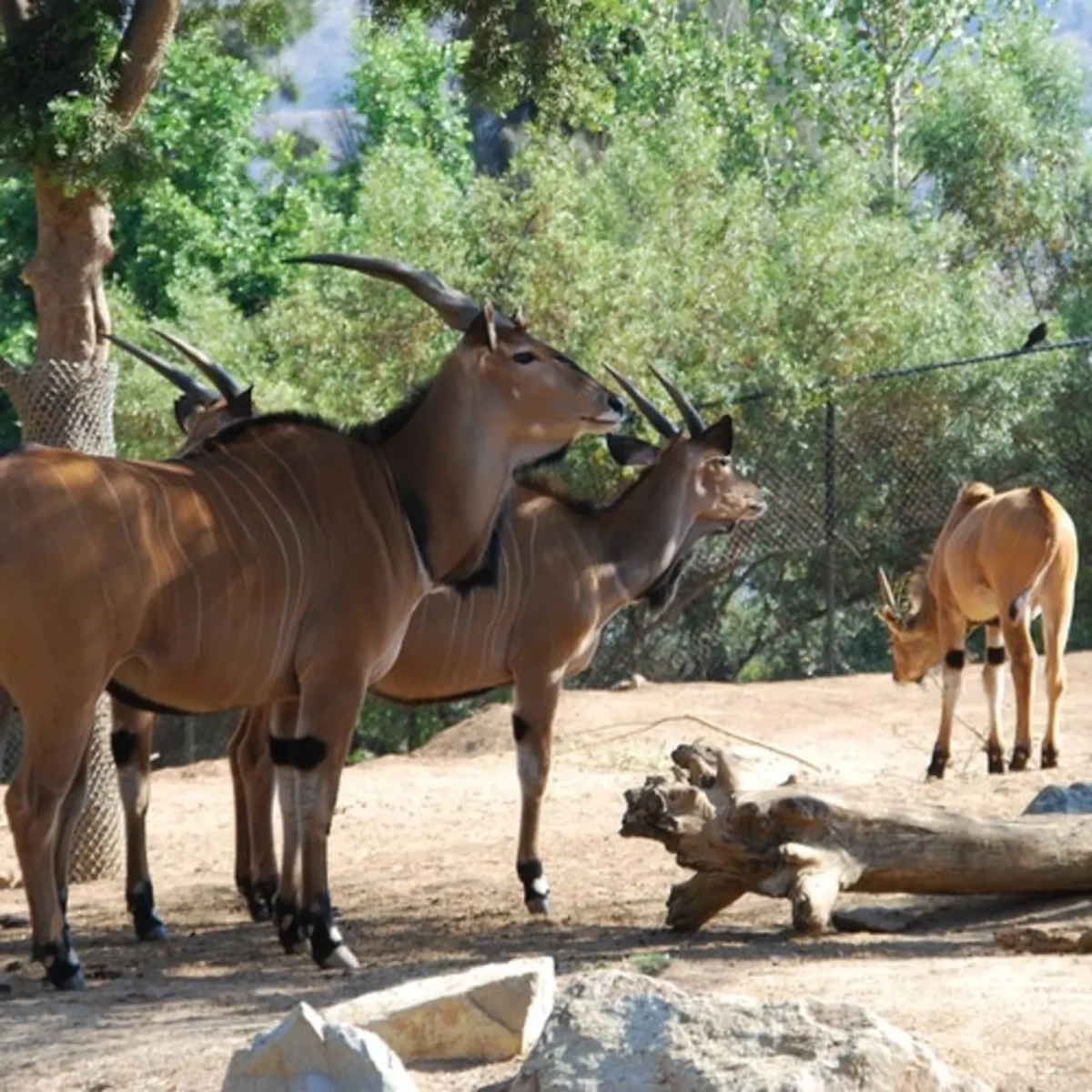
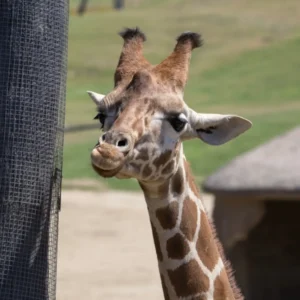
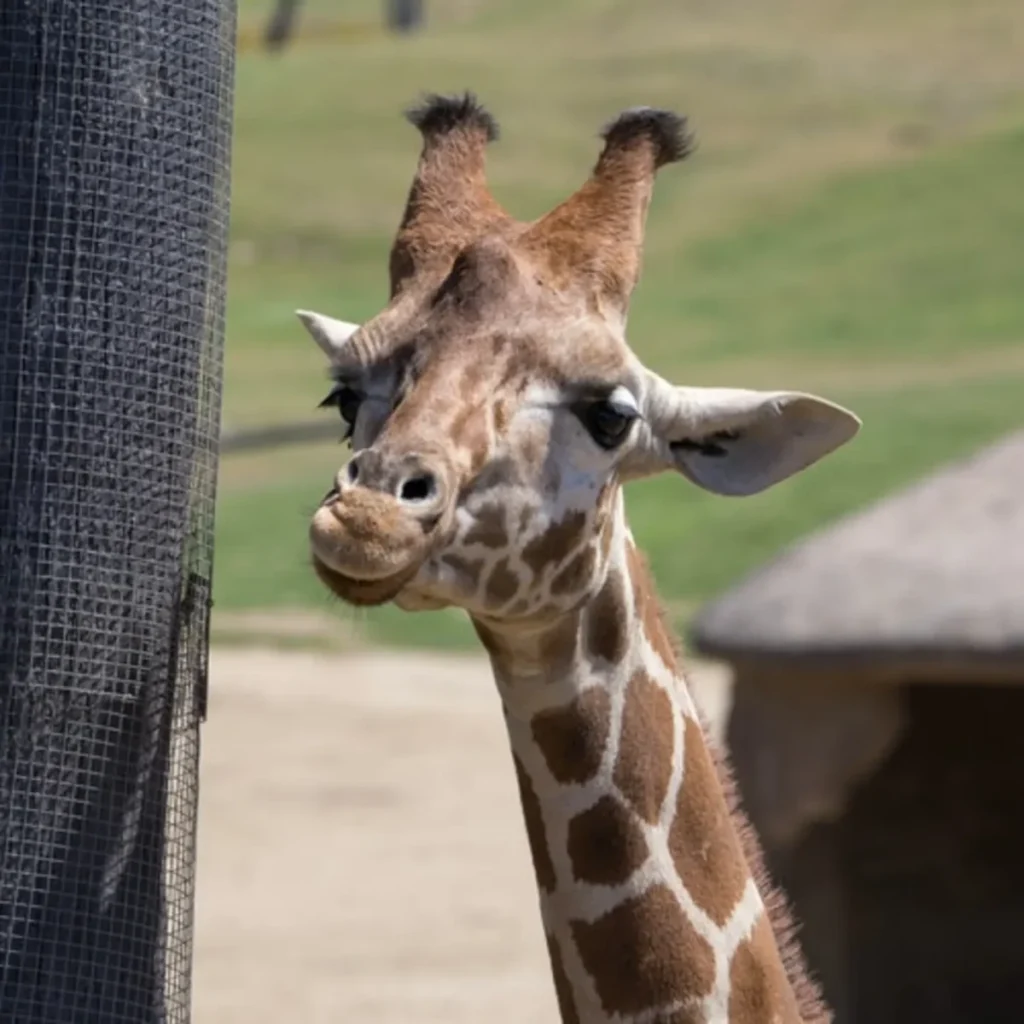
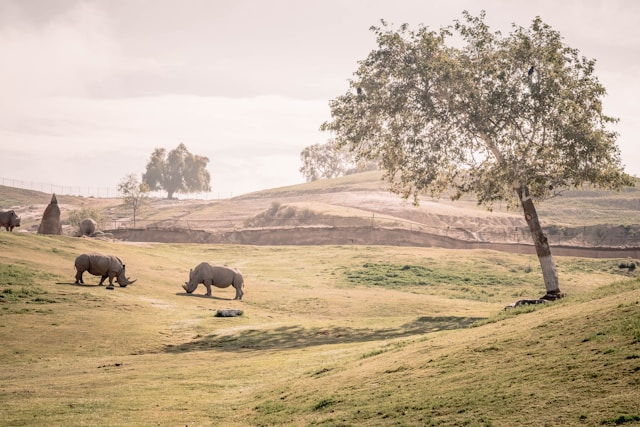
Spanning 1,800 acres in Escondido, California, the park reproduces vast open habitats rather than traditional cage enclosures. Large herds of giraffes, rhinos, and antelopes roam freely together across multi-species field environments. This expansive layout allows visitors to observe natural herd behaviors in environments that closely mirror the species' native regions.
The Included Africa Tram Tour
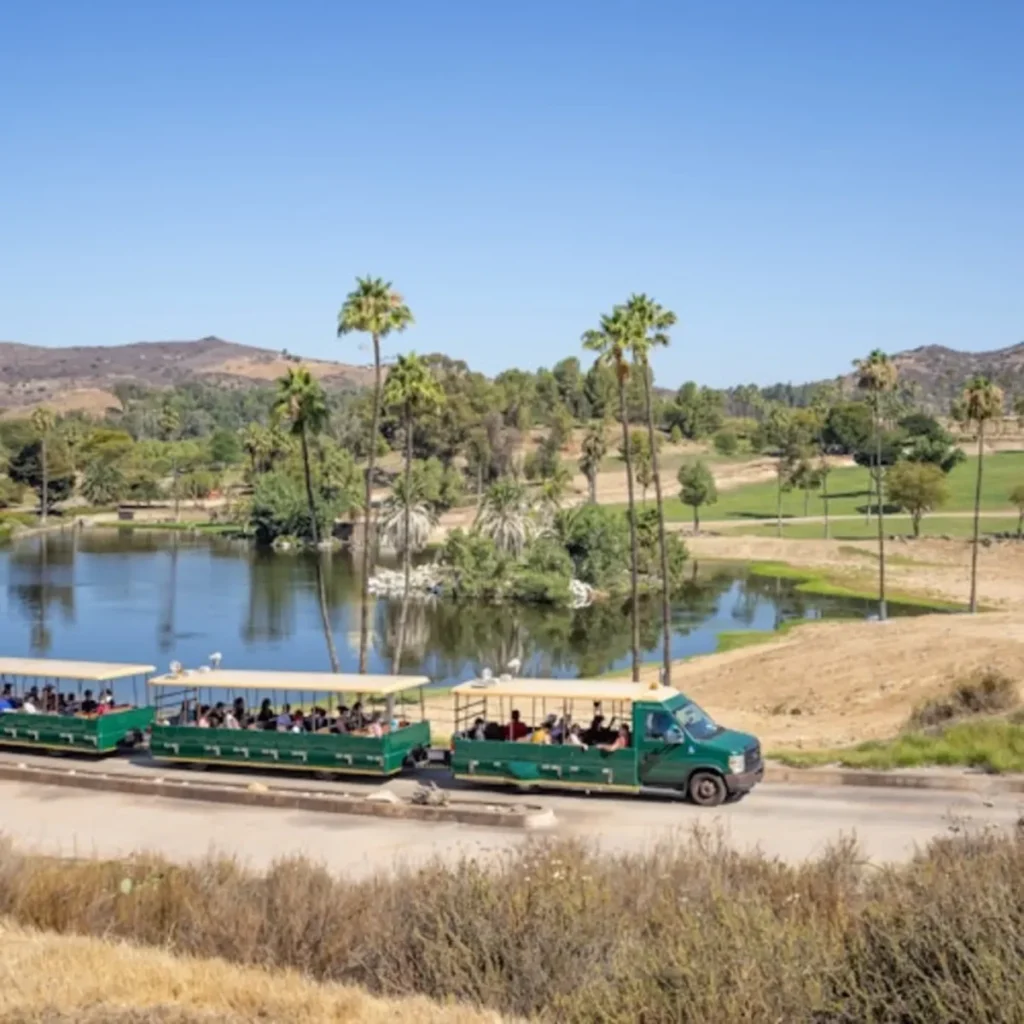
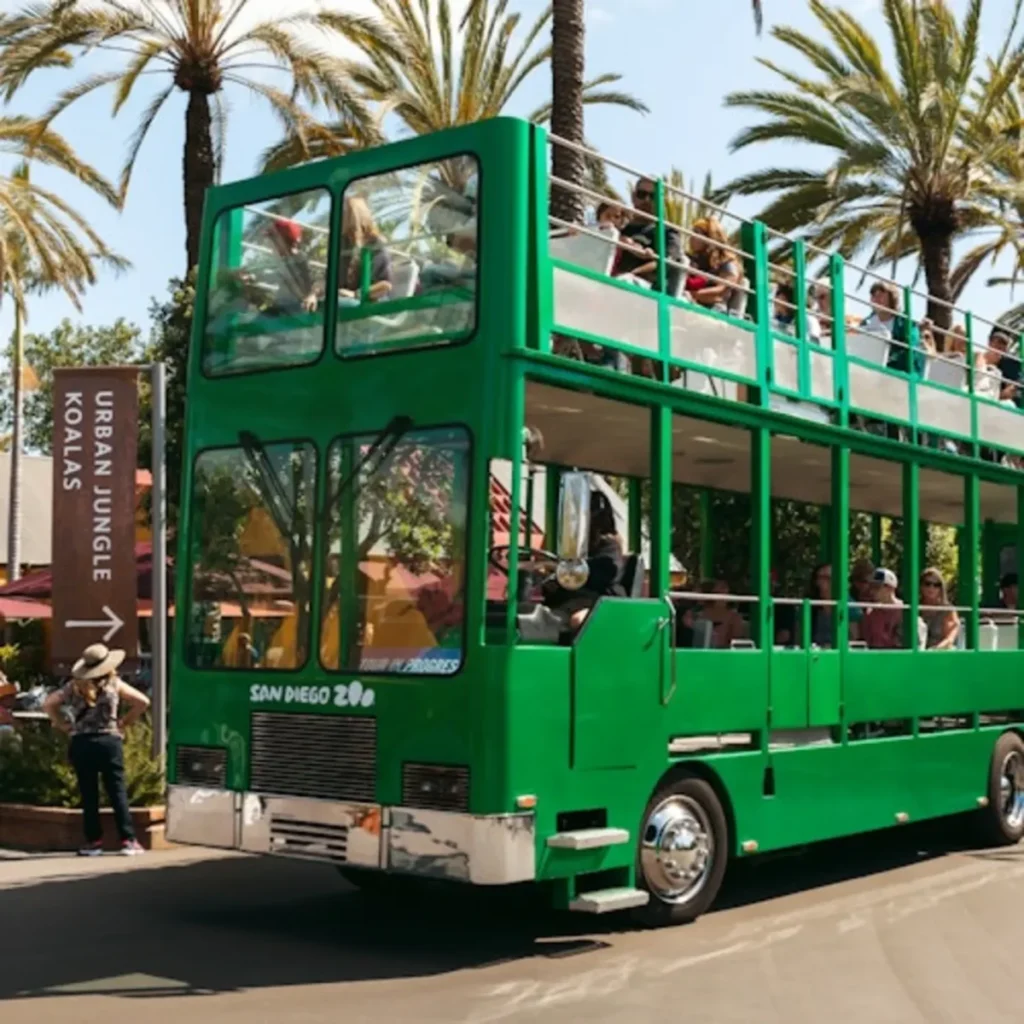
Every standard admission ticket includes access to the Africa Tram, an open-air guided ride traveling 2.5 miles through the African savanna habitats. Knowledgeable guides share insights into animal behaviors and active conservation projects while navigating through the fields. The trip offers clear, elevated views of free-roaming wildlife without requiring an upgraded tour ticket.
Rare and Specialized Wildlife Exhibits
The park houses rare species rarely seen in North America, including platypuses at Walkabout Australia—the only facility outside of Australia home to these animals. Visitors can walk along open paths alongside Western gray kangaroos, view Sumatran tigers through glass walls along the Tiger Trail, and explore specialized habitats built for threatened species. These dedicated exhibits allow guests to encounter world-class biodiversity up close.
Customizable Safari Adventure Upgrades
Guests seeking a closer look can supplement standard admission with paid safari experiences tailored to different interest levels. Options include open-truck Wildlife Safaris into the fields, the Flightline zip line soaring over animal habitats, tethered helium balloon flights, and overnight camping. These add-on tours provide behind-the-scenes access and unique vantage points unattainable on standard foot paths.
Direct Contribution to Global Wildlife Conservation
Operated by the non-profit San Diego Zoo Wildlife Alliance, the park serves as a major working facility for species recovery and habitat restoration. Ticket purchases directly support international conservation initiatives, including critical breeding programs for southern white rhinos and California condors. A visit provides educational value while actively funding real-world efforts to protect endangered species from extinction.
San Diego Zoo Safari Park - Additional Info
- Dining
- Souvenir Store
Dining
Souvenir Store
Interesting Facts about the San Diego Zoo Safari Park
The San Diego Zoo Safari Park spans 1,800 acres in Escondido, making it nearly nine times larger than its sister attraction, the San Diego Zoo.
The park is home to the only two platypuses living outside of Australia, housed in a specialized nocturnal habitat within Walkabout Australia.
It played a pivotal role in saving the California condor from total extinction through a pioneering captive breeding program launched in the 1980s.
More than 200 southern white rhinos have been born at the Safari Park, making its breeding facility one of the most successful in the world.
The park maintains the Frozen Zoo, a cryogenic repository storing living cell lines, sperm, and embryos from over 1,000 rare and endangered species.
The 2.5-mile Africa Tram path runs along an open savanna where multiple animal species cohabitate just as they would in the wild.
The facility originally opened in 1972 under the name San Diego Wild Animal Park before undergoing a major rebranding in 2010.
It houses a massive botanical collection featuring millions of plants, including rare cycads, aloes, and one of North America's largest bonsai collections.
The park's Nikita Kahn Rhino Rescue Center utilizes advanced reproductive technologies to help save the functionally extinct northern white rhino.
Sumatran tigers at the park live in a dedicated habitat equipped with glass viewing walls, deep swimming pools, and elevated climbing structures.
The park operates a specialized animal hospital equipped with specialized diagnostic tools designed to treat animals ranging from small birds to elephants.
Guests on select nighttime tours can sleep under canvas tents inside the park while listening to the sounds of free-roaming wildlife.
The terrain of the San Pasqual Valley was chosen specifically because its climate and landscape closely mimic the semi-arid grasslands of East Africa.
The park produces its own specialized browse food by harvesting leaves and branches grown directly on the 1,800-acre property to feed herbivorous animals.